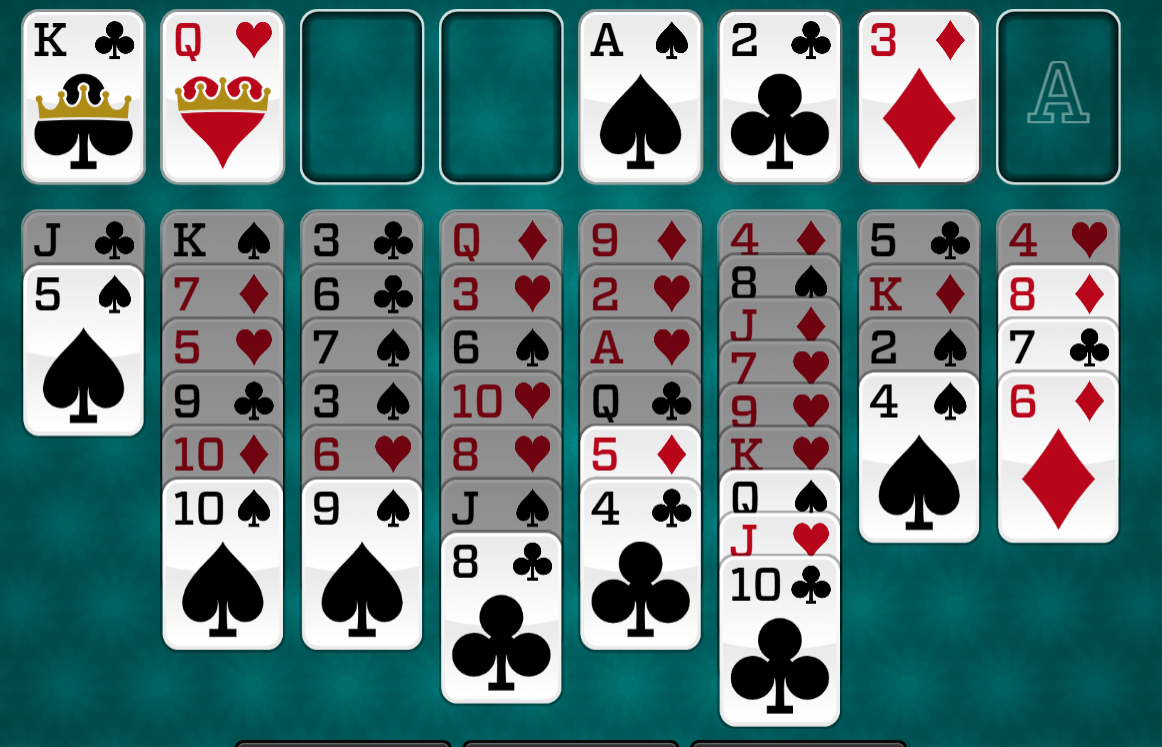

Card games such as Freecell have been enjoyed by global players for thousands of years. First and foremost, they are a great form of recreation, providing a valuable and accessible entertainment that only friends or friends can play with. But card games can really be the key to increased brain power?
The short answer is “yes”, but you might want to know more. So, read on…
1. Why gambling enhances brain health
The gambling game enhances the health of the brain by providing an exciting, comfortable and attractive mind-work process. While the brain is an organ and not a muscle, it needs to be practiced. Activity that reduces the brain like cards is the perfect solution.
The value of card games to support the health of the brain can be attributed to multiple elements, all elements working together to give the result defined. Some key features to consider are;
- The game examines the brain in various ways such as memory, pattern recognition, strategy, logical thinking, and many other ways.
- Many games offer social interactions for further mental health benefits, as well as healthy competition.
- Most card games are short, fast (though the single game can be played at your speed) which requires quick decisions.
- In the card game, each move and decision can have a clear impact on the overall outcome of the game. So the brain is always attached.
- When playing cards like Freecell, each hand is unique. So you have to learn strategy rather than just remember how to do it.
Most card games find a sweet spot between simplicity and complexity. Only 52 cards, divided into two colors, four suits and 13 values to remember. Meanwhile, the rules of most of the games – like crag – are easy to understand. Although it takes only a few minutes to learn, the game often takes a lifetime to master.
Playing digital cards offers other benefits such as computer reading for older users while also making it easier to access if you are not skilled at handling articles. Remove the tensions those barriers bring to the fore helps to maximize the player’s health benefits.
The highest intellectual game
Almost all card games bring some cognitive benefits to support brain health. However, some card games have greater impacts and bring different rewards to others. Freecell, which includes versions like Double Freecell, is just one of many options.
Other first card games include but are not limited;
- Go Fish: A simple game where young people and those with cognitive problems. It is shown to support memory, pattern recognition and attention.
- Bridge: It promotes thinking, strategic reasoning, memorized and nonverbal communication with great results due to its complexity.
- Solire: Other Seneca variants encourage pattern identification, critical thinking, and faster hand coordination through regular play.
- Beyoncé: A game teaches the pattern recognition and support of memory as you seek to win together.
- Heart: Another card game helps to enhance the pattern recognition and memory skills, not at least to remember the cards held by other players.
Poker and other card games still teach similar skills while other intellectual training games include Suman, learning words and chess.
Three. Free cells improve your thinking
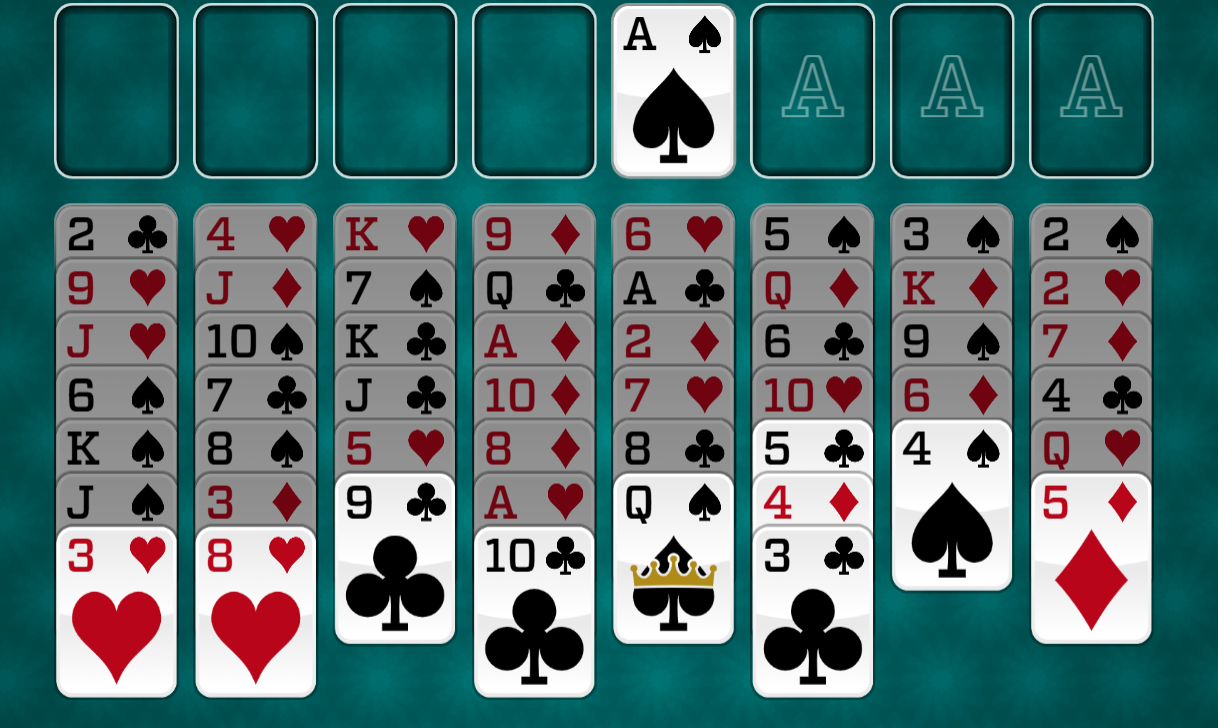
Many games support the health of the brain, but Freecell is particularly effective. It tests the brain in many ways, making it powerful. Furthermore, it brings lasting benefits, not at least because players tend to be faster with experience. In many ways, this helps the brain to continue to grow in the same way that weight training gradually develops muscles.
Freecell improves your thinking in many ways, such as;
- Freecell reinforces the memory working through the pattern identification, especially when you remember the article in the animation in a previous game.
- The game supports strategic planning when you draw several steps in your head before acting and playing your hand.
- Freecell also teaches you to think carefully and logically with patience, especially when a bad move can hinder hope of completing the game.
- The card game also enhances your animation scanability for the colour samples and values of each card, especially when playing against the clock.
- Freecell also supports adapting thinking when you can see that the wrong move forces you to take a substitute path to complete.
- The game encourages more critical thinking because you need to constantly consider the risks and the probability of an action that will affect the rest of the hand.
- Freecell also encourages you to adjust your experience. Not all games are easy to win, but each hand can make you a better player.
Because it aims at the brain in many ways, it is also a great tool to monitor cognitive change, either in yourself or others.
4 Benefits of Daily Card Session
Whether it’s just Freecell or other games like the Hearts, even normal players will see some benefits. However, the greatest reward is brought through daily meetings. It takes only a few minutes to play each day to make a significant difference.
However, like other parts of the body, the brain needs to be tested regularly. Indeed, studies show that only 10 minutes per day are more beneficial than longer but more frequent. Benefits include;
- Protection against cognitive decline, which may manifest as preventing early amnesia or slow down the pace of current cognitive decline.
- Reduce stress and effective rest in everyday life, supporting the general health of the brain and eventually allowing you to perform better.
- Confidence increases from winning the game or becoming better through experience, which prompts a strong thinking.
- Social relationships with friends or family have improved.
- The emotional intelligence is better, especially in games that you play with your opponent or pair by pair, like Bridge.
Day-to-day card games can provide additional structure and additional purposes for those who are being treated. Defeating boredom is another highly beneficial feature of the healthy and active mind. Better yet, cards like Freecell are free to play. Good deal.